Knowing how to get clients in logistics is what separates companies that scale from those that stay dependent on referrals, brokers, and load boards. Demand for freight, warehousing, and 3PL services is strong. But shippers can choose from thousands of providers and afford to be selective.
Consistent logistics business growth does not come from luck or disconnected campaigns. It comes from a repeatable client acquisition system. In this guide, we break down the practical moves that help you reach the right accounts, earn trust earlier, and build a logistics sales pipeline you can predict and own.
TL;DR
- Get specific about who you serve. A marketing strategy that includes a clear ideal client profile and a sharp unique selling proposition beats generic outreach every time.
- Win visibility where buyers research. Most logistics buyers vet vendors online long before they call, so search and content do the early selling for you.
- Pair inbound with disciplined outbound. Targeted email, LinkedIn, and paid search fill the pipeline while your content compounds.
- Turn happy clients into a growth engine. Referrals and reviews remain the most trusted channel in B2B logistics.
- Measure everything and refine. Track cost per lead and conversion rate so you scale what works and cut what doesn't.
Why Getting Logistics Clients Feels Harder Than It Should
The opportunity is real. The U.S. third-party logistics market was worth roughly $247 billion in 2023 and is growing near 9% a year, so there is no shortage of freight to move or pallets to store. The problem is that everyone knows it, and shippers are flooded with options.
That crowding is exactly why getting clients consistently comes down to focus, not volume. Most carriers, brokers, and 3PLs pour their energy into operations and treat marketing as an afterthought, which is precisely the gap a disciplined approach exploits. If your pipeline swings from feast to famine, the fix is usually a repeatable lead generation process, not a bigger ad budget.
Defining Who You Want to Win
Trying to serve every shipper is the fastest way to sound like every competitor. The strongest logistics companies pick a mode, a region, a commodity, or a service like cold chain or last-mile, and build a message around it.
Two pieces of homework make everything downstream easier:
- Build an ideal client profile. Document the industries, shipment types, volumes, and decision-makers you serve best. A little market and competitive research tells you where the underserved demand sits.
- Sharpen your unique selling proposition. Your unique selling proposition is the one clear reason a shipper should pick you:
- Faster claims resolution?
- Guaranteed capacity on a lane?
- Specialized handling?
- Something else?
If your messaging could describe any broker, it isn't sharp enough.
Building a Digital Presence Buyers Can Find
Here is the shift that changes everything about how to get clients in a logistics business online:
“The buying decision now happens mostly without you in the room.”
Gartner found that 61% of B2B buyers prefer a rep-free buying experience, researching and shortlisting vendors digitally before they ever fill out a form. If you are invisible online, you are cut before the conversation starts.
Rank for what shippers are searching
When an operations manager types "3PL for refrigerated freight" or "drayage near me", you want to be the answer. Search engine optimization puts your pages in front of buyers at the moment of intent, and it compounds over time rather than disappearing when ad spend stops. A focused logistics SEO program is often the highest-leverage investment a provider can make, which is why logistics companies need SEO more than they think.
Publish content that proves you know the industry
Ranking gets you the click; content earns the trust. Case studies, lane guides, and honest explainers show a shipper you understand their operation, not just your own sales pitch. It works: 84% of B2B marketers say content marketing builds brand awareness and 74% say it lifts lead quality. Consistent, industry-fluent logistics content is what separates a vendor from a trusted partner.
SEO and content are slow burners. Expect three to six months before organic traffic becomes a reliable source of leads. Start now so the pipeline is full when you need it.
Create Demand With Outbound and Paid
Inbound compounds, but it takes time. Meanwhile, outbound and paid keep new prospects entering your pipeline as organic visibility compounds.
Targeted outbound outreach with verified shipper lists, personalized email, and LinkedIn puts you in front of decision-makers this quarter. The discipline that matters is relevance: buyers actively avoid suppliers who send irrelevant messages, so a tailored note to a supply-chain manager beats a hundred generic blasts.
Paid search campaigns capture shippers who want a quote today. Run the above tactics together, and they’ll feed the funnel while your rankings mature.
Let Referrals and Brand Reputation Do the Selling
Logistics runs on trust. A shipper is far more likely to believe your reliability when another customer can point to clean handoffs, on-time performance, accurate fulfillment, or fewer claims. Referrals, reviews, and word of mouth give buyers the operational proof they need before adding you to a shortlist.
Do not leave that reputation to chance. Ask satisfied customers for a review or introduction after a clear win, then turn measurable results into case studies, testimonials, and sales proof your team can use across service pages, proposals, and outreach.
Email keeps those relationships warm between shipments. Segment contacts by service, lane, industry, or sales stage, then share relevant capacity updates, customer results, market insights, and peak-season reminders. With email marketing returning around $36 for every $1 spent, it is a low-cost way to stay visible until the next contract, expansion, or referral opportunity appears.
Where Each Marketing Channel Works Best
Channel | Best for | Typical time to results
SEO | Long-term inbound leads at low cost per lead | 3-6 months
Content | Building authority and supporting every other channel | 2-6 months
Paid search | Capturing high-intent demand fast | Days to weeks
Outbound (email + LinkedIn) | Reaching specific decision-makers now | Weeks
Referrals and reviews | High-trust, high-conversion clients | Ongoing
Best mix | A blend built for speed and compounding | Ongoing
The truth is no single channel wins on its own. The providers who grow treat these as one system and let each channel feed the next.
Turn Marketing Into a Steady Stream of Shipper Deals
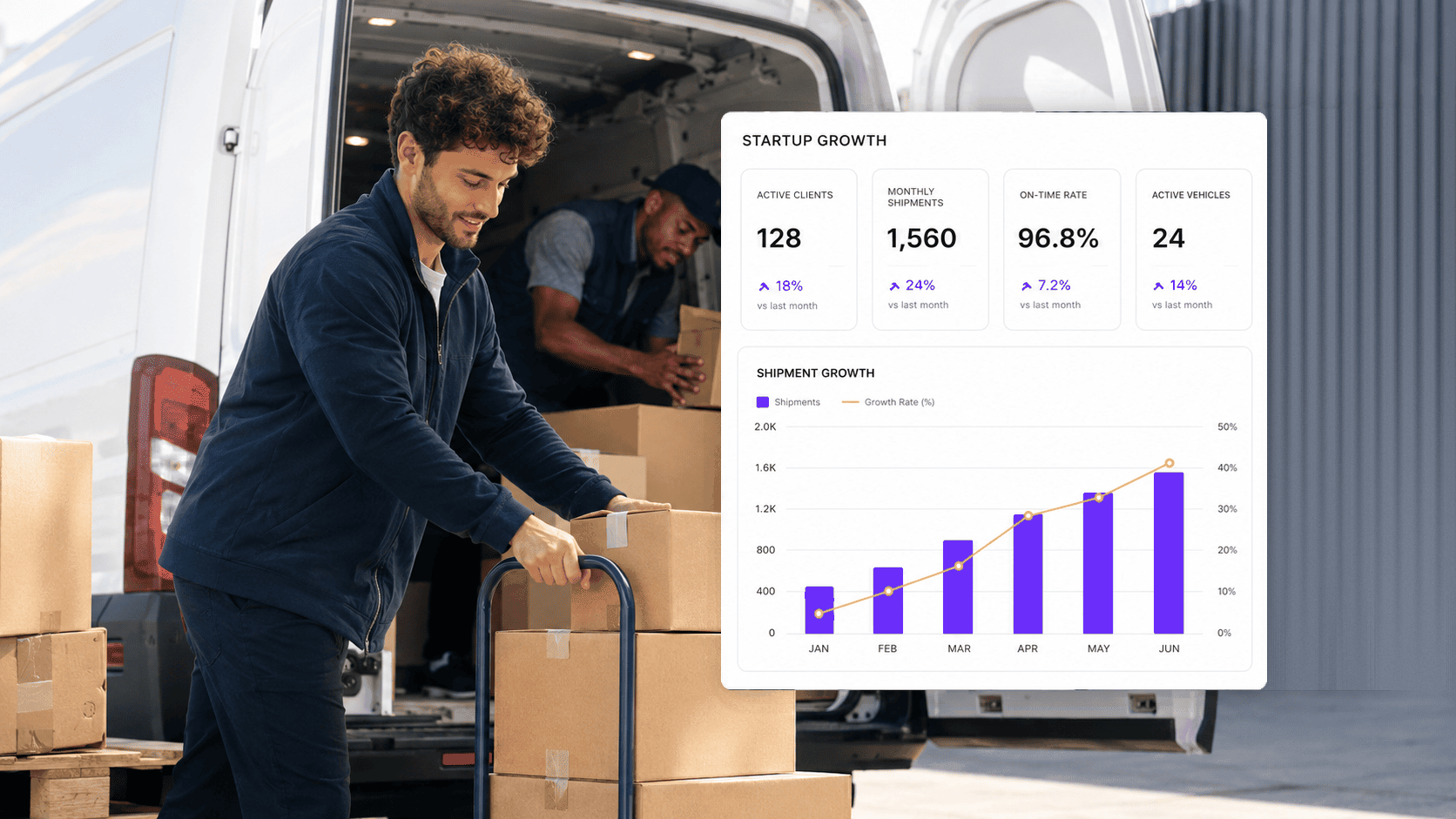
Winning logistics clients is not about doing more of everything; it's about running a focused system that reaches the right buyers at the right moment and proves you understand their operation. Get the positioning right, show up where shippers research, and back it with outreach and referrals, and the pipeline stops feeling like a guessing game.
Your marketing partners should not have to learn logistics on your budget. Spiral brings the industry playbook from day one, making growth the output of a proven system. We are a logistics-specialized marketing partner working exclusively with logistics companies and building marketing systems designed around how your buyers search, compare, and choose providers.
See how Spiral drives measurable growth for logistics companies. Book a free call and check out real results.
Frequently Asked Questions
How do logistics companies get clients without a big budget?
Start where cost per lead is lowest: a focused niche, SEO, and referrals. Ask current clients for introductions, publish content that ranks, and reinvest early wins into paid channels once you know your numbers.
How can I grow a logistics business?
Paid search and outbound can produce leads within weeks, while SEO and content usually take three to six months to compound. Most providers see reliable logistics business growth by combining fast and slow channels together.
What is the best way to get clients in the logistics business online?
Rank for the services shippers search, publish content that proves industry expertise, and pair both with targeted outbound and paid search. Because most buyers research independently, a strong, findable digital presence is now non-negotiable.
How can a small logistics company compete with larger firms?
Specialize. A cold-chain broker owning one lane will out-convert a generalist chasing everything. Sharp positioning, fast response times, and genuine expertise let smaller providers win clients that bigger, slower competitors overlook.
Do referrals still matter for growing logistics business pipelines?
Absolutely. Referrals and reviews are among the most trusted signals in B2B, converting faster and cheaper than cold channels. A simple, consistent process for requesting introductions from happy shippers pays off for years.